 Write a Review
The History of Dental Implants and How Technology Has Evolved to Benefit Smiles
November 9, 2025
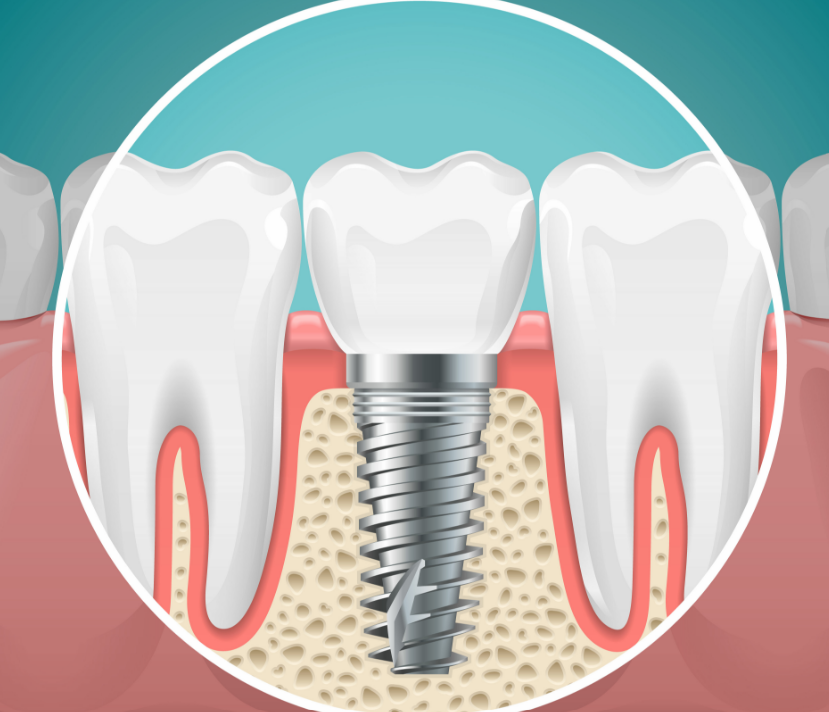
Modern dental implants are one of the most reliable and natural-looking tooth replacement options available today—but they didn’t always look or function the way they do now. In fact, implants have undergone centuries of trial, error, and innovation to become the durable, comfortable, and highly successful solution patients rely on today. Understanding this evolution highlights just how far implant dentistry has progressed—and how these advancements directly benefit your smile.
Ancient Beginnings and Early Experiments
Evidence of early implant attempts dates back thousands of years. Ancient civilizations used materials like carved seashells, stones, bamboo, and even precious metals to replace missing teeth. While these early restorations weren’t functional in the way modern implants are, they reflect humanity’s long-standing desire to restore dental function and appearance.
Fast-forward to the 20th century, when researchers began exploring how different materials interacted with bone. These early studies set the stage for the breakthrough that would redefine implant dentistry.
The Titanium Revolution
One of the most significant advancements in dental implant technology occurred in the 1950s, when Swedish researcher Dr. Per-Ingvar Brånemark discovered osseointegration—the process by which bone naturally fuses to titanium. This discovery transformed the field, leading to the development of the first modern titanium dental implants.
Titanium offered several important benefits: it was biocompatible, strong, lightweight, and capable of integrating predictably with the jawbone. By the 1980s and 1990s, titanium implants had become the standard in tooth replacement, boasting high success rates and long-term reliability.
Improvements in Implant Design and Surface Technology
As implant dentistry advanced, researchers focused on improving implant shape, thread design, and surface texture. Early implants had smooth surfaces, which limited how quickly and effectively they bonded with bone. Today’s implants are engineered with specialized coatings and micro-textures that encourage faster osseointegration, often reducing healing times for patients.
Threaded designs and tapered shapes have also become more common, helping implants mimic the natural structure of tooth roots. These innovations allow for greater stability, even in areas with limited bone density.
Expanding Options for Patients
Modern implant technology has made treatment accessible to more patients than ever before. Techniques such as bone grafting, sinus lifts, and guided implant placement allow individuals with bone loss or complex needs to receive implants safely and predictably.
Additionally, alternative materials like zirconia have emerged for patients seeking metal-free solutions. Although titanium remains the most widely used material due to its proven success, zirconia offers aesthetic benefits and high biocompatibility.
Digital Dentistry and Precision Placement
Today’s implants also benefit from digital tools such as 3D imaging, intraoral scanners, and computer-guided surgery. These technologies allow dentists to evaluate bone structure with remarkable accuracy and plan implant placement with precision. As a result, procedures are more efficient, comfortable, and personalized, leading to better long-term outcomes.
Thanks to decades of innovation, dental implants are now stronger, safer, and more lifelike than ever before.
About the Practice
Kern Family Dentistry in Grafton provides advanced implant dentistry supported by modern technology and personalized care. Dr. Kern specializes in comprehensive implant services designed to restore function, comfort, and confidence. To learn more about today’s state-of-the-art dental implants, come see us.
Call us at (701) 352-2013 or request an appointment online.
No Comments
No comments yet.
RSS feed for comments on this post.
Sorry, the comment form is closed at this time.